

Key Takeaways
- An eye twitch is a small flutter you can’t control, usually in your upper eyelid.
- Occasional twitches are common and usually harmless.
- Tiredness, stress, caffeine and dry eyes are often linked to twitches.
- Rest, calming habits and eye drops can help ease a twitch.
- Book an eye exam if a twitch persists, spreads or comes with new symptoms.
Eyelid twitches are usually small and painless, and other people rarely notice them. They can still be distracting when you’re trying to read, work or wind down at night, which is why the team at Eye Wellness hears questions about them so often.
An eye twitch is usually linked to everyday things like tiredness, stress, caffeine or dry eyes, and it often fades once you rest and care for your eyes. If dry, gritty eyes seem to be part of the picture, dry eye treatment can help you find relief.
What Does an Eye Twitch Feel Like?
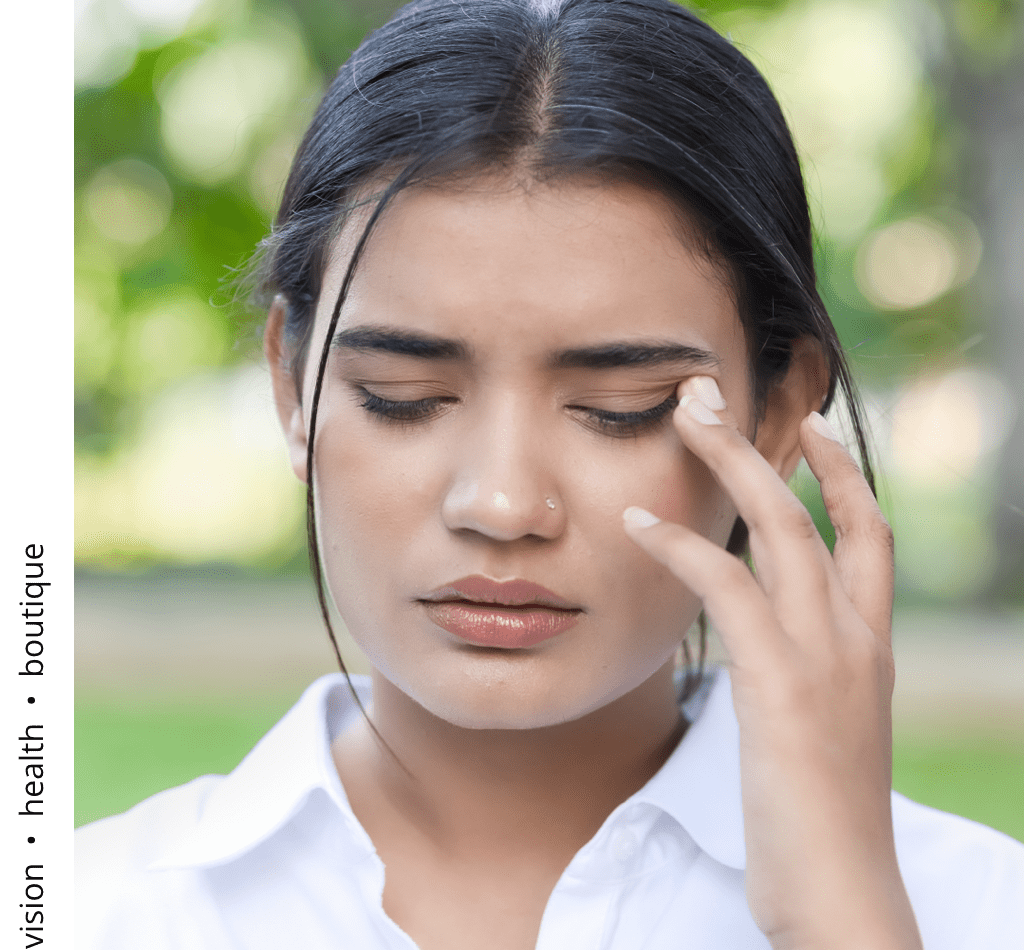
An eye twitch is a quick, repeated movement of your eyelid muscle. It can feel like a tiny tickle or a gentle flutter under your skin.
You might notice it while you read, drive or relax in the evening. Here’s what people often describe:
- Your upper or lower eyelid flutters on its own.
- Your lid closes partly or fully, then opens again.
- The twitch comes and goes over a few days.
- Bright light bothers you more than usual.
Twitches often stay in a single eye, though both eyes can twitch at the same time.
Common Reasons Behind Eye Twitches
Your eyelids are part of your whole body. A twitch can be a small signal to slow down.
Lifestyle and Whole-Body Factors
Think back to the days before yours started and see if any of these common triggers fit:
- You’re tired or short on sleep.
- Your days feel stressful and packed.
- You’ve had more coffee or other caffeinated drinks than usual.
- You’ve been drinking alcohol.
- You use nicotine.
Less often, a twitch is a side effect of a medication you take.
Eye Irritation and Your Surroundings
Your surroundings play a role too. A long afternoon on a screen or a walk on a windy day can leave your eyes tired and scratchy. These eye-related factors are often linked to twitches:
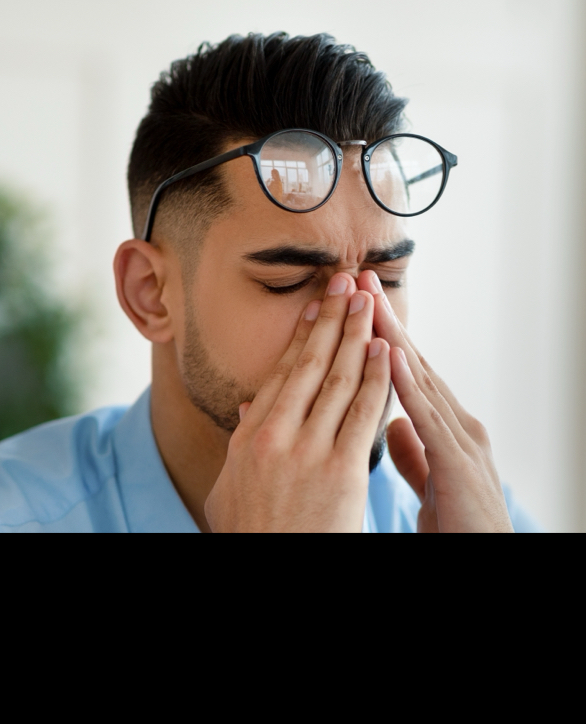
- Eye strain from hours on a screen
- Time in bright light
- Wind or air pollution
- Dry eye
- Blepharitis, which causes irritated, inflamed eyelids
Other Conditions Linked to Eye Twitches
A twitch that keeps coming back or spreads may point to a different condition.
Benign essential blepharospasm causes frequent twitches in both eyes. It isn’t harmful to your overall health, but frequent twitches may affect your vision, and researchers still aren’t sure why it happens.
Twitching on one side of your face, called hemifacial spasm, is worth mentioning to your optometrist. In rare cases, a twitch is linked to a brain or nerve condition like Bell’s palsy, Parkinson’s disease or multiple sclerosis, which usually comes with other symptoms.

Simple Ways to Calm an Eye Twitch
Small changes to your routine can help a twitch settle and support your overall wellness. Try a few of these this week:
- Head to bed a little earlier.
- Take a short walk, stretch or breathe deeply when stress builds.
- Cut back on coffee, energy drinks and other sources of caffeine.
- Have fewer alcoholic drinks.
Water and balanced meals support your whole body, and your eyes are part of that picture.
Comfort for Irritated Eyes
Dry, irritated eyes can keep a twitch going. Lubricating eye drops can ease that discomfort, and your optometrist can recommend a type that suits your eyes. A warm compress over closed lids may also feel soothing.
Sunglasses help in bright light. A pair with UV protection makes sunny afternoons at the lake more comfortable, and the optical boutique carries frames to fit your style.
When to See an Optometrist About an Eye Twitch
A twitch that fades on its own usually doesn’t need special care. Book a visit with an optometrist if you notice any of these signs:
- Your twitch persists or worsens.
- Twitching spreads to other parts of your face.
- Your eyelid closes completely or is hard to open.
- Your upper eyelid starts to droop.
- Discharge comes from your eye.
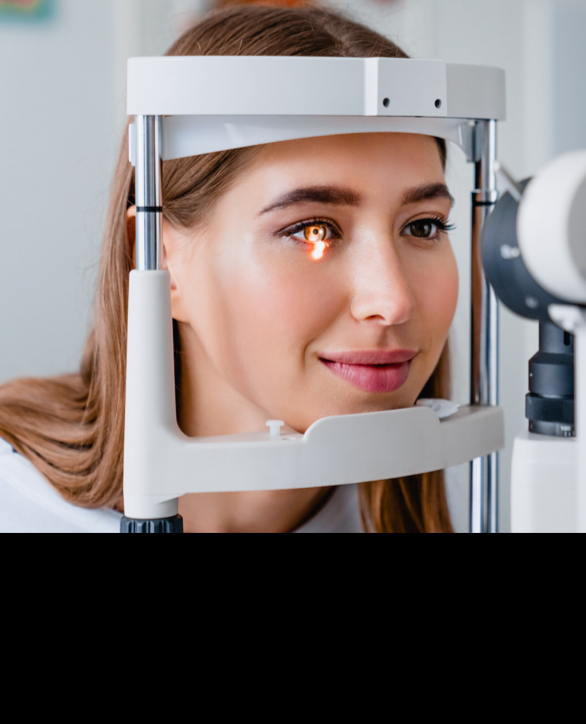
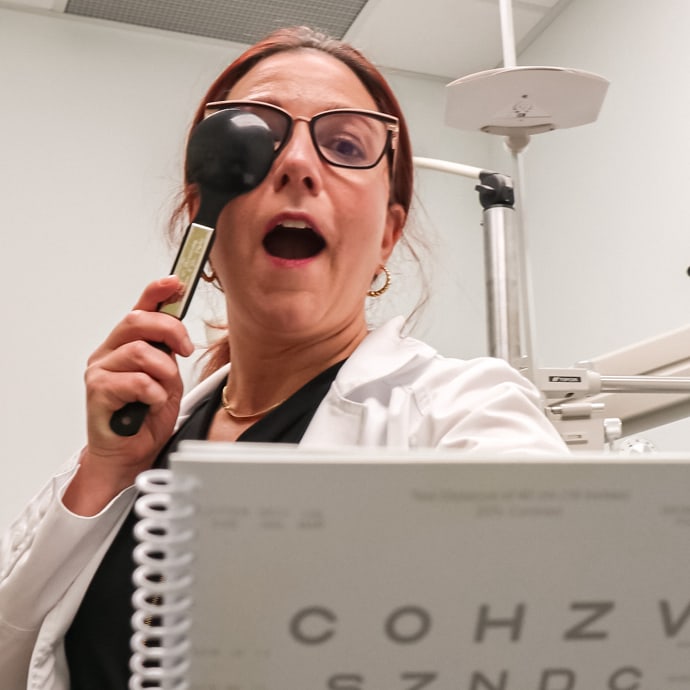
Your appointment is relaxed and unhurried. Expect questions about your health history, sleep, stress and daily habits, followed by a comprehensive eye exam that looks for dryness, eyelid irritation and other possible causes. Bring a list of your questions and any medications you take so you don’t forget anything.
For frequent twitches, your optometrist can discuss options like:
- Botulinum toxin injections in the eyelid muscles
- Medication to ease symptoms in the short term
- Surgery in severe cases
Get Answers About Your Eye Twitch
Keep a quick note of when your twitch happens, how long it lasts and what your day looked like beforehand. Patterns like a late night or an extra coffee can give your optometrist a clearer starting point.
The optometrists at Eye Wellness consider your eye health alongside your sleep, stress, and daily routine to understand what’s behind your symptoms. If your twitch lingers or your eyes feel dry and tired, book your visit and get care that fits your needs.