
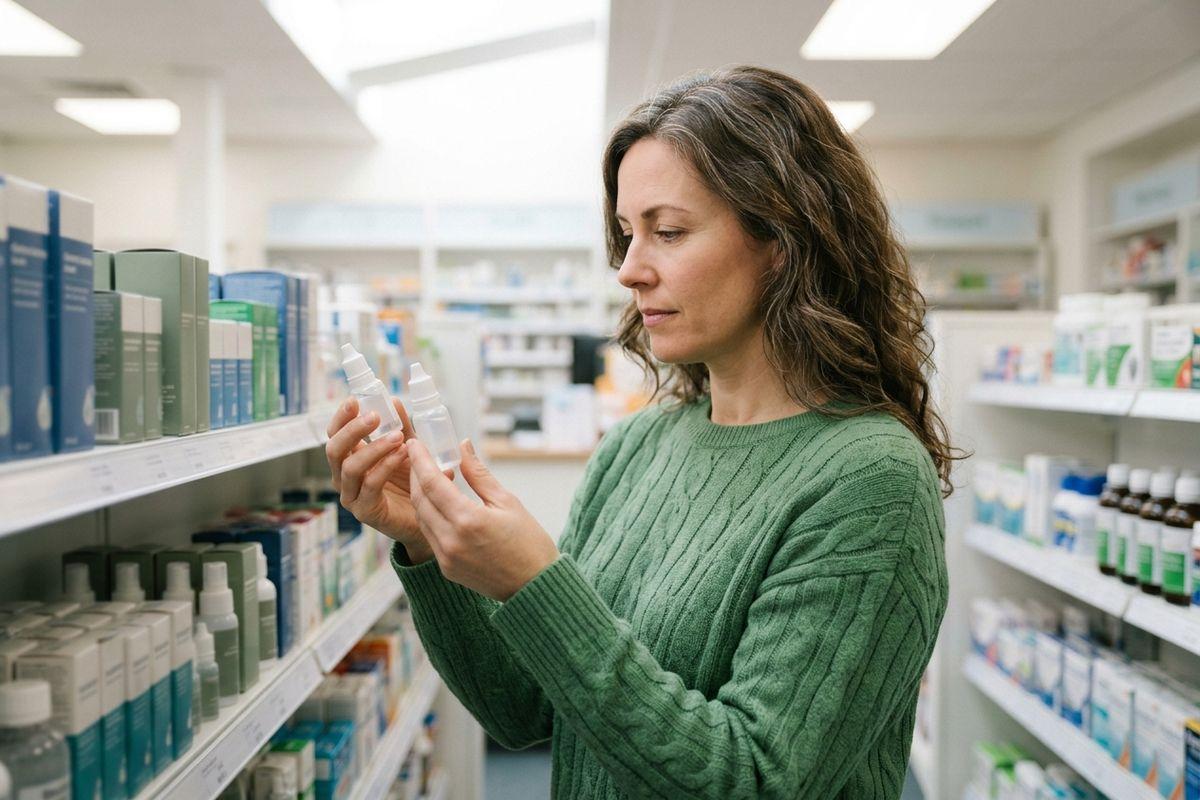
Pharmacy shelves are full of eye drops that look alike, so it helps to know what each type is for before you buy.
The right eye drop for you depends on why your eyes feel dry, how often you need relief and whether you wear contact lenses. Drops can work well alongside a few simple habits at home, and if they aren’t enough, dry eye treatment with your optometrist can help you find out what’s behind the discomfort.
Signs and Causes of Dry Eyes
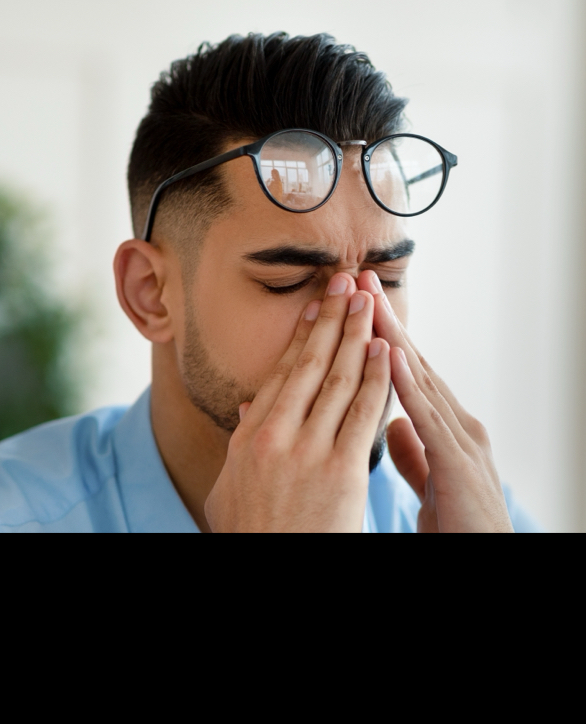
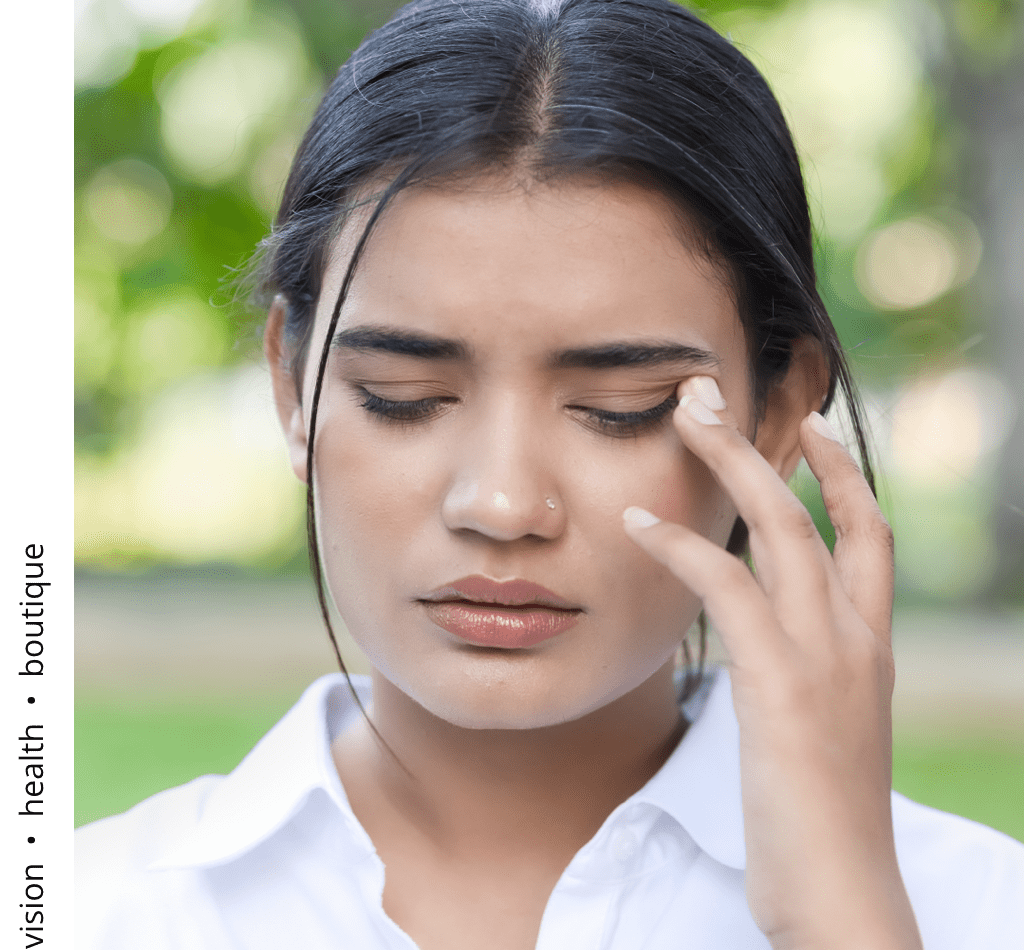
Dry eye often starts small, like rubbing your eyes during a long drive. Watch for a few of these signs:
- A gritty or scratchy feeling, as if sand got in your eye
- Stinging or burning
- Vision that turns blurry, then clears when you blink
- Discomfort around bright sunlight or screens
Hours on a laptop and air conditioning in the car can both leave your eyes feeling parched.
For some people, the oil glands along the eyelids become clogged or inflamed. These glands add an oily layer that slows evaporation, so when they’re blocked, your tears can dry up faster. Hormonal changes, like menopause, can affect them too.
Types of Eye Drops for Dry Eyes
Most dry eye drops fall into 4 main groups, and each one suits a different need.
Artificial Tears
Artificial tears are lubricating drops you can buy without a prescription. Thinner drops leave your vision less blurry, so they’re handy at your desk or on the go. Thicker drops may last longer, but your vision may blur for a moment after you put them in.
If your tears evaporate quickly, ask about lipid-based drops. They contain oils that can help support the outer layer of your tears.
Gels and Ointments
Gels and ointments stay on your eye longer than thin drops, so they can help with stubborn dryness. Because they can blur your vision for a short time, many people use them at bedtime.
Prescription Eye Drops
Prescription drops work on a different problem than store-bought tears. They can target inflammation or low tear production. Your optometrist chooses them based on what your eye exam shows.
Preserved and Preservative-Free Eye Drops
Preservatives keep bacteria out of a bottle once it’s open, and preserved drops can work well if you only reach for them now and then. If you need drops more than 4 to 6 times a day, switch to a preservative-free option. It’s also worth trying preservative-free drops if your usual ones sting when they go in.
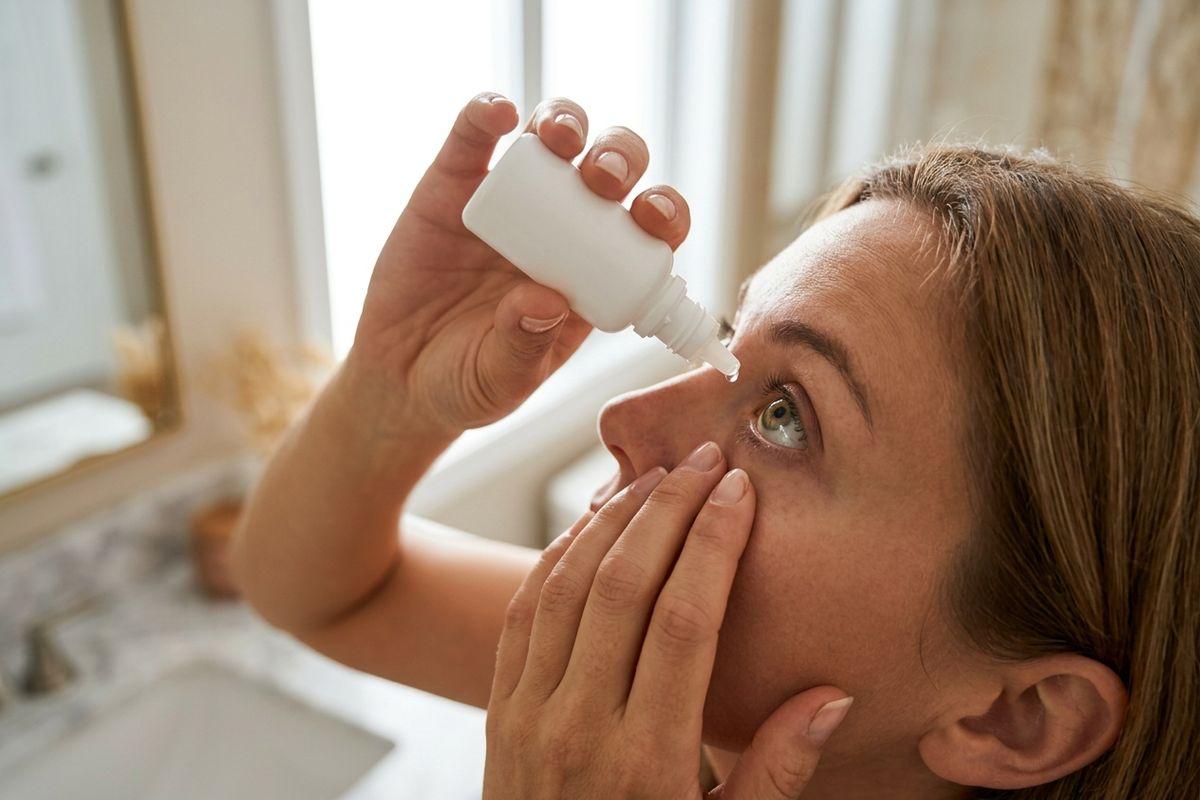
How to Use Eye Drops Safely
A few small habits can keep your drops clean and working as intended:
- Wash your hands before each use.
- Keep the bottle tip from touching your eyes or any other surface.
- Wait 5 minutes between different kinds of drops.
Redness, Allergy and Contact Lens Drops
Redness relief drops mainly make your eyes look less red. They won’t add moisture the way lubricating drops do, and if redness keeps coming back, book a checkup.
Intense itching often points to eye allergies, especially during ragweed season each fall. A milder, gritty feeling is more typical of dry eyes. Some allergy medicines can add to dryness, so mention them at your appointment.
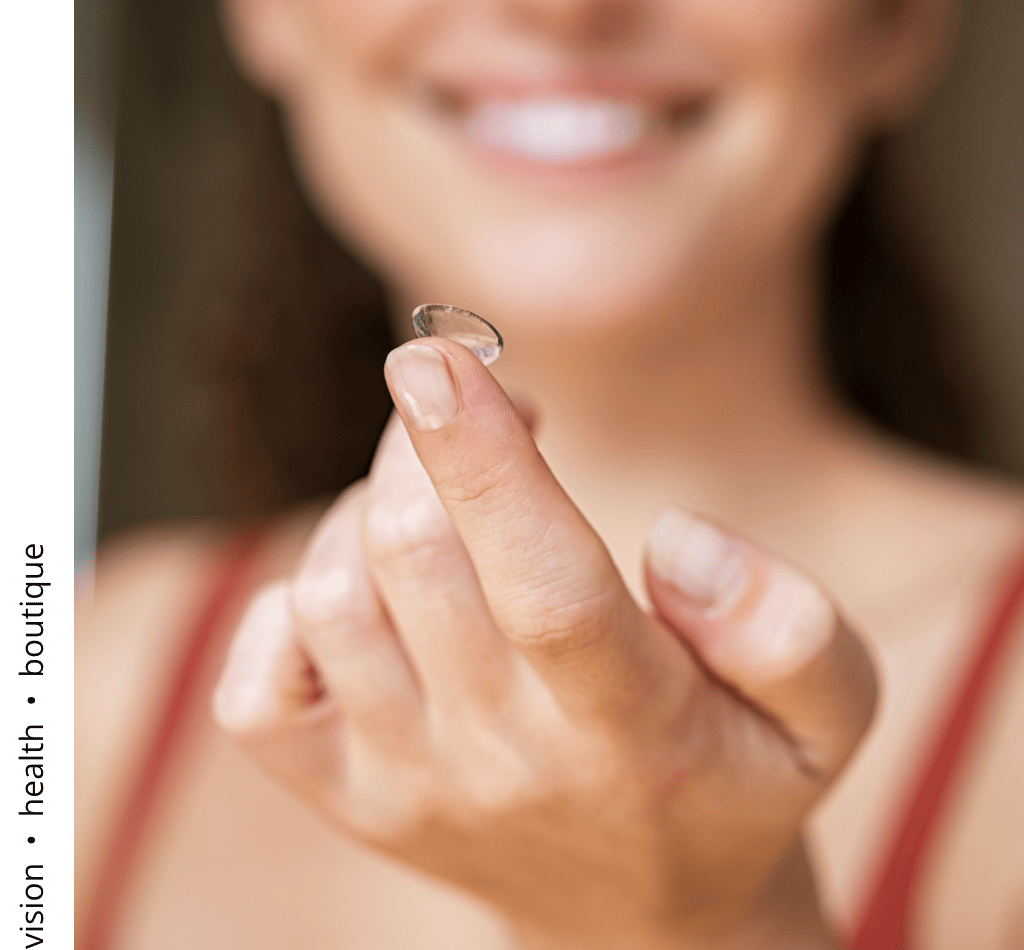
If you wear contacts, choose drops labelled for use with contact lenses. Put any other drops in after you take your lenses out. If burning or blurriness doesn’t go away, have your lens fit checked.
Daily Habits That Support Dry Eye Relief
Add a diet rich in omega-3s from foods like salmon or ground flaxseed, along with colourful fruits and vegetables.
At home, rest a warm, damp cloth on your closed eyelids for 5 to 10 minutes. The warmth can help loosen thickened oil in your eyelid glands.
At the computer, try the 20-20-20 rule. Every 20 minutes, look at something 20 feet away for 20 seconds.
When to See Your Optometrist About Dry Eye
Book an eye exam if any of these sound familiar:
- You keep buying new bottles without lasting relief.
- Dryness makes your contacts uncomfortable.
- Dry eye gets in the way of reading, driving or work.
- You notice pain or discharge.
- Your vision changes suddenly.
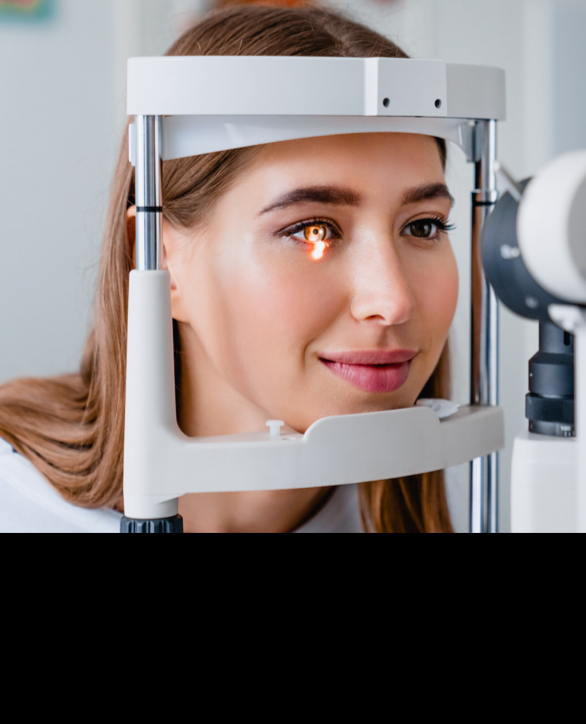
At your visit, your optometrist starts by asking how your eyes feel from day to day. Tests check both the amount and quality of your tears, which can help pinpoint what’s behind your dryness. From there, you’ll get a care plan built around your eyes and your routine.
Find Dry Eye Relief at Eye Wellness
The right drop can make a long workday more comfortable. When store-bought options fall short, Eye Wellness can look deeper and connect your eye comfort to your nutrition and overall wellness.
Bring the drops you’ve been using to your appointment so your optometrist can see what you’ve already tried. Book your dry eye visit with our team, and we’ll build a plan around how your eyes feel from day to day.