

Key Takeaways
- Multifocal contact lenses can combine distance, intermediate, and near prescriptions in a single lens
- These options help people, especially those over 40, read small text without extra glasses
- Different designs exist to match your specific daily vision needs
- Your brain typically needs a few weeks to adapt to the new visual input
- An eye doctor in Niagara Falls can help you find the right fit
You reach for your phone to read a text message and find yourself stretching your arm out just to bring the words into focus. This common struggle happens as natural age changes make close-up objects look blurry. Our team at Eye Wellness can help you address this frustration of constantly swapping between reading glasses and your regular distance pair just to get through a trip to the grocery store.
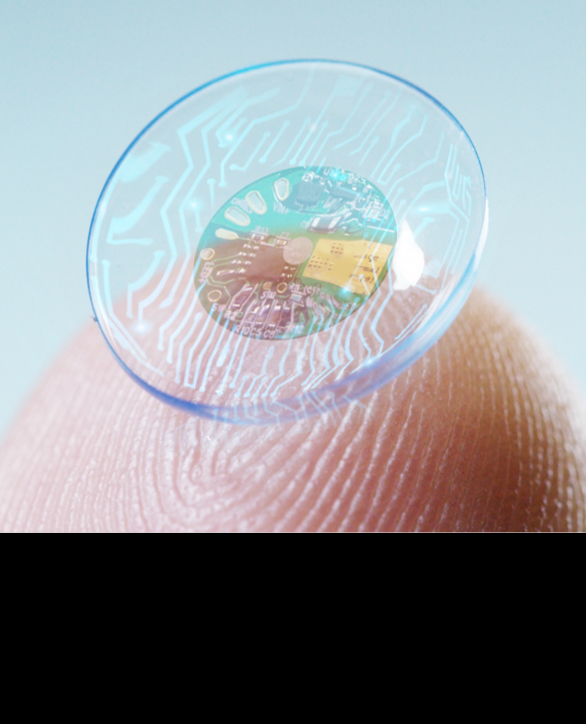
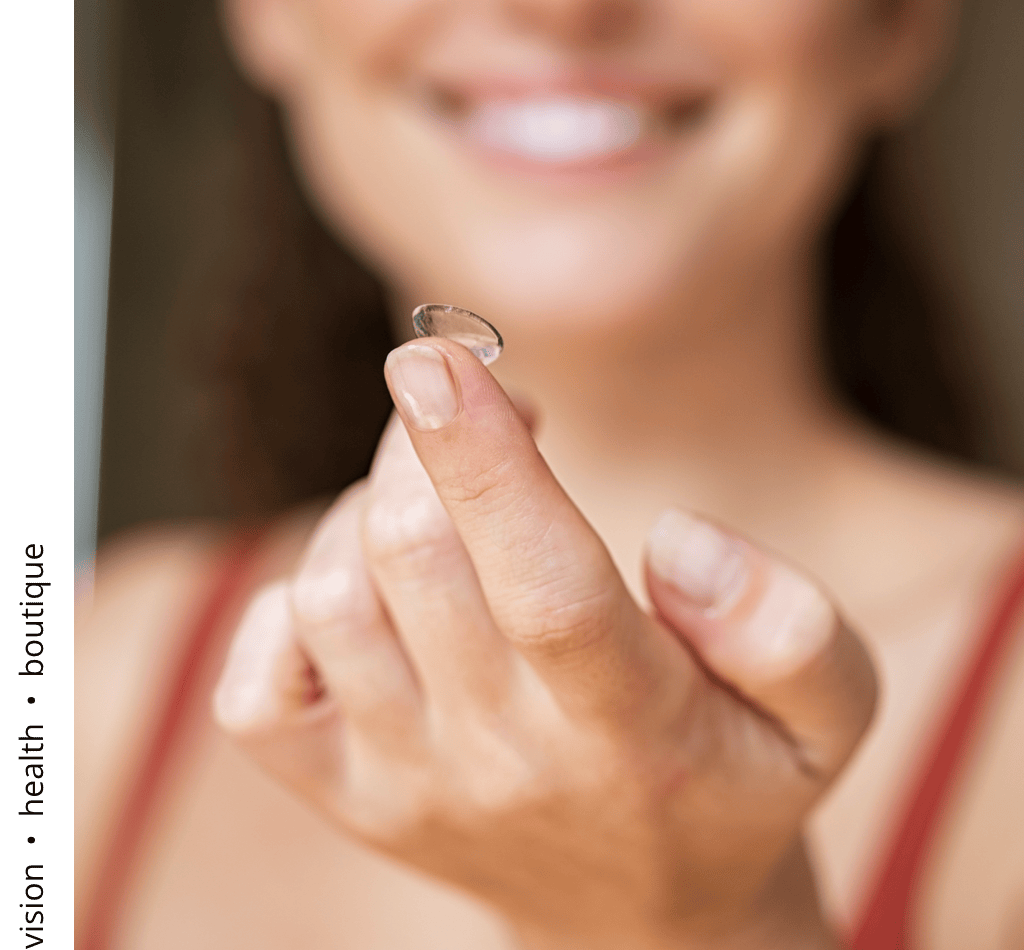
Multifocal contact lenses combine multiple prescriptions into one lens to help you see clearly at near, intermediate, and far distances without switching glasses. These lenses offer a practical solution for daily activities like reading a restaurant menu or driving down the highway. The transition between different focal points happens smoothly across the contact lens surface, which your eye doctor can evaluate during personalized contact lens exams.
The Basics of Multifocal Lenses and Your Vision
A single contact lens can hold multiple prescription strengths, allowing you to manage daily tasks seamlessly. This design lets you shift your focus naturally, whether you are looking closely at a smartphone screen or gazing at a distant billboard. By working in harmony with your natural eye movements, the technology provides clarity at any distance and offers an ideal solution for age-related vision changes like presbyopia.
Multifocal lenses are engineered with distinct optical zones to support your everyday sight:
- Central viewing zone: Designed for close-up tasks, such as reading text messages or checking your phone.
- Transition areas: Designed for intermediate distances, making it comfortable to work at a desktop computer or view a car dashboard.
- Outer edges: Calibrated to provide sharp focus and clarity for spotting objects across the room or outdoors.
Who Usually Needs Them?
As the years go by, subtle shifts in your eyesight can change how you experience the world. Many adults notice themselves squinting at digital screens or reaching for brighter reading lights at night. Transitioning to a unified lens prescription helps simplify your routine, eliminating the constant need to switch between different pairs of glasses.
These lenses are particularly well-suited for several lifestyles, including, but not limited to:
- Active professionals: Ideal for those who move frequently between close desk work, computer tasks, and face-to-face meetings.
- Outdoor enthusiasts: Great for people who want a wide, uninterrupted field of view without traditional frames blocking their peripheral sight.
- Busy multitaskers: Perfect for anyone who frequently misplaces standard reading glasses throughout the day and prefers a convenient, hands-free option.
Clear Signs You Need Multiple Prescriptions
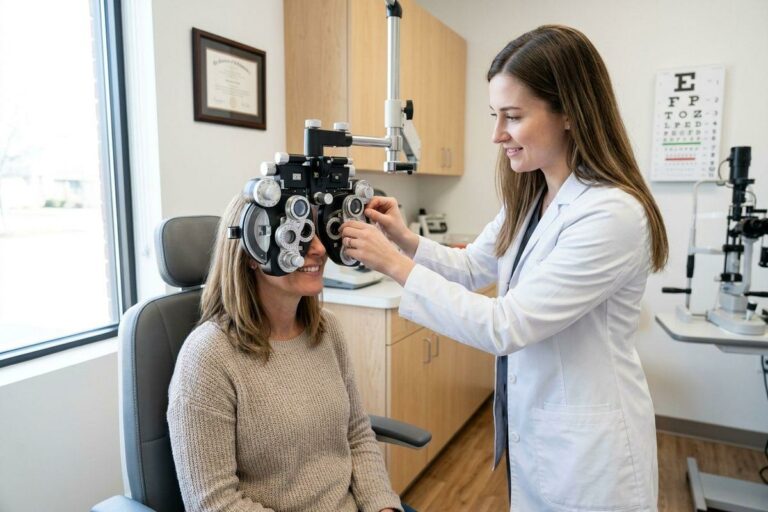
Your eyes often give you subtle hints when they require extra support. You might find yourself naturally shifting your daily habits just to make sense of the text in front of you. Small adjustments, such as seeking out brighter lighting or constantly increasing your computer font size, frequently point to a changing prescription. Scheduling an eye evaluation at our clinic can pinpoint the exact correction you need for your daily routine, making regular eye exams a smart habit.
Watch for these common everyday indicators:
- Holding devices further away: Extending your arm to read text messages or notifications indicates a growing need for near-vision support.
- Struggling with fine print: Difficulty reading small text up close on product labels or menus shows a natural shift in your focusing ability.
- Blurry vision in low light: Experiencing hazy sight in dim environments can make evening reading or driving feel challenging.
How Different Lens Designs Work for You
Concentric Ring Designs
Concentric ring designs arrange distinct visual zones in circular patterns across the contact lens. Because your pupil naturally expands and contracts in response to varying lighting and viewing distances, this circular setup works in harmony with those physical adjustments. Your brain quickly adapts to determine which ring provides the correct clarity for any given task, a process that a professional contact lens fitting helps configure for your eyes.
Rather than separating zones by gaze direction, these contacts alternate between distance and near vision rings. Typically, they keep the centre focused on distant objects to ensure clear sight while driving or looking across a room.
Aspheric Blended Designs
Instead of harsh dividing lines between prescriptions, aspheric designs offer a smooth, continuous transition. The optical power changes steadily from the center outward, creating a much more natural viewing experience as you look around your environment. This gradual progression helps you avoid the sudden jump in focus that sometimes happens with traditional bifocals so your eyes can effortlessly find the right focal point.
While this blended approach makes adjusting easier, maintaining proper daily hygiene and contact lens care remains essential for sustained visual clarity.
Timeline for Vision Adaptation and Nighttime Habits
What to Expect Early On
Your brain needs time to figure out how to process new visual information. The first few days of wearing a new prescription might feel a bit unusual. Patience plays a big role in achieving comfortable sight. You might want to start by wearing them for just a few hours a day, especially if you have dry eye.
- Adaptation timeline: It typically takes two to three weeks for your brain to fully adjust to the new optical design.
- Initial visual effects: Mild shadows, slight ghosting, or occasional glare might appear temporarily while your eyes and brain settle into the new routine.
Tips for Safe Night Travel
Driving after dark presents unique challenges for your eyes, as headlights and street lamps can create unexpected visual effects while you adjust to a new prescription. Taking extra care during evening commutes helps keep you safe while your vision fully settles.
- Nighttime glare: Bright headlights and street lighting can temporarily affect visual clarity and cause halos during your initial adjustment period.
- Professional guidance: If you experience persistent glare or difficulty seeing after dark, visit your optometrist for tailored advice and adjustments.
Alternative Vision Options for Clear Sight
Monovision Contact Lenses
Sometimes a blended multifocal lens does not quite fit your daily routine or visual needs. Another effective strategy is monovision, which involves giving each eye a distinct job to do. One eye focuses primarily on near tasks while the other handles distance.
This setup offers a great alternative for people who struggle to adapt to multifocal designs. Your daily habits and visual demands ultimately dictate whether this style makes sense for you, or if you might benefit from other specialty contact lens options.
Rather than blending powers within a single lens, monovision relies on your brain naturally learning to combine the images from both eyes into a single, cohesive picture that covers all distances seamlessly.
Traditional Glasses and Bifocals
Contact lenses might not work for every situation or personal lifestyle preference, and a reliable pair of frames still provides a straightforward way to see the world clearly. Having a dependable backup pair on hand always offers peace of mind.
While contact lenses handle most daily activities, you can easily wear simple reading glasses over your regular distance contacts when tackling fine print. Alternatively, many people choose standard progressive glasses for comfortable, all-day wear around the house or as a reliable alternative to contacts.
Come See Us
Taking care of your eyes helps you enjoy everyday moments with clarity and comfort. Our team at Eye Wellness prioritizes educating patients to help them make informed choices about their visual health.
You can explore a wide variety of services designed to support you at every stage of life. Contact our clinic today to book a visit and discover the right approach for your unique vision needs.