
Key Takeaways
- Hyperopia makes near objects blurry while myopia affects distant vision.
- Eye shape plays a big role in how light lands on the back of the eye.
- Treatments could include prescription glasses, contact lenses, or laser surgery.
Maybe reading a menu in a dimly lit restaurant or trying to catch the score on a distant television screen has been more difficult recently. Maybe you’ve noticed yourself squinting or holding reading materials at a distance just to make out the words. At Eye Wellness, we’re here to help you understand the causes of blurry vision and the options for clear sight.
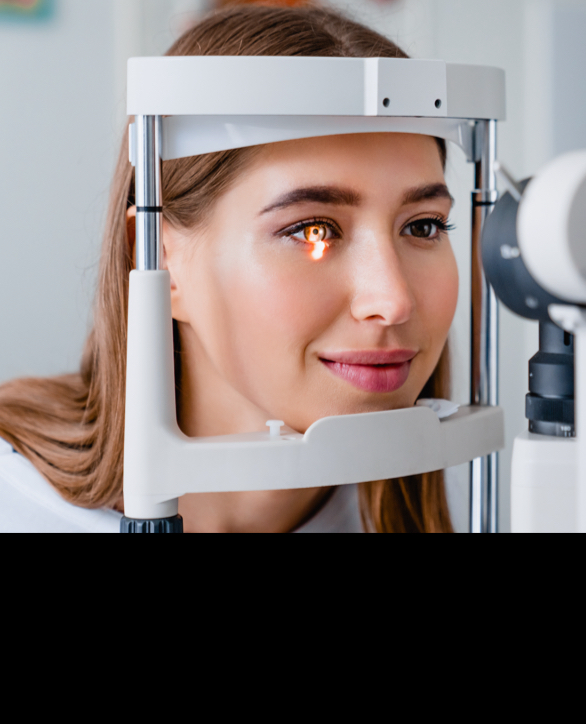
Hyperopia often makes nearby objects harder to focus on, whereas myopia typically causes distant objects to appear blurry. This happens when your eyes have trouble focusing light correctly. Our team can detect this and more during a comprehensive eye exam.
An Overview of Hyperopia and Myopia
Myopia, also called nearsightedness, is a common vision condition that causes distant objects to appear blurry. If you have myopia, you might have trouble reading highway signs during a road trip or watching a movie at the theatre.
Hyperopia, also called farsightedness, makes close objects look blurry. It’s also a common vision condition that makes it difficult to read a book or check a text message on your phone without squinting. If you have farsightedness, you may find yourself holding your phone or a restaurant menu at arm’s distance to see them correctly.
Why Your Eye Shape Changes Your Focus
The physical structure of your eyeball influences how clearly you see. Nearsighted eyes are often longer from front to back, whereas farsighted eyes are often shorter. This slight difference in length affects how your eyes gather visual information, which is called a refractive error.
This happens because the physical shape of your eye changes where light lands on your retina, which is the light-sensitive tissue at the back of your eye. When the eyeball is too long, light lands in front of the retina instead of directly on it, and when the eyeball is too short, light focuses behind the retina.
In both situations, the result is that a blurry image is sent to your brain. This is where prescription glasses are so important: They adjust light so that it lands on the right part of your eye, providing you with clear vision again.
Common Signs to Look for in Your Family
Changes in vision can sneak up on you over time. You might brush off eye strain or blame a busy week at work for your tired eyes, but it’s a good idea to pay attention to these physical cues.
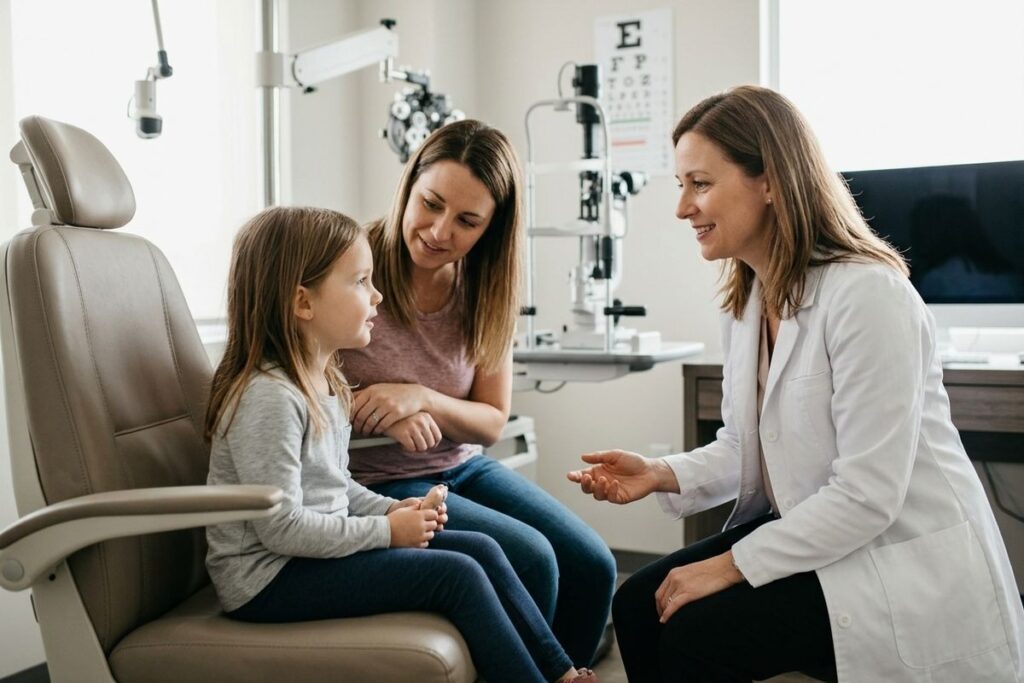
It’s also important to know the signs because children often don’t realize their vision is blurry: They assume that everyone sees the way they do. You know your child best, so knowing what to look out for can help you know when to schedule a children’s eye exam.
Symptoms Associated with Nearsightedness
Recognizing the signs of myopia early can help you or your loved one avoid unnecessary strain. Watch for these clues:
- Squinting to see objects far away clearly
- Straining your eyes to see, resulting in headaches
- Difficulty seeing distant objects clearly, such as classroom boards, television screens, or road signs
Symptoms Associated with Farsightedness
Hyperopia typically presents differently because it impacts activities right in front of you. Watch for these clues:
- Trouble focusing on books, your phone, or small print close up
- Headaches after computer work or detailed tasks from straining to see
- Having tired eyes after reading for a while
How to Understand Your Vision Prescription
Learning how to read your prescription can feel like learning a brand-new language, but the numbers and symbols help provide a map of your specific visual needs.
A plus sign is designed to correct farsightedness, and a minus sign is designed to correct nearsightedness. The number next to the sign tells you how much correction your eyes require to see clearly. A higher number means your prescription is stronger, which means your eyes need more support.
Our eye doctor in Niagara Falls can explain these numbers during your visit and answer any questions you may have about your prescription.
Vision Correction Options
If you have a refractive error, you have many options to help manage your vision. The right choice depends on your daily habits, personal preferences, and vision health.
Prescription Glasses and Contact Lenses
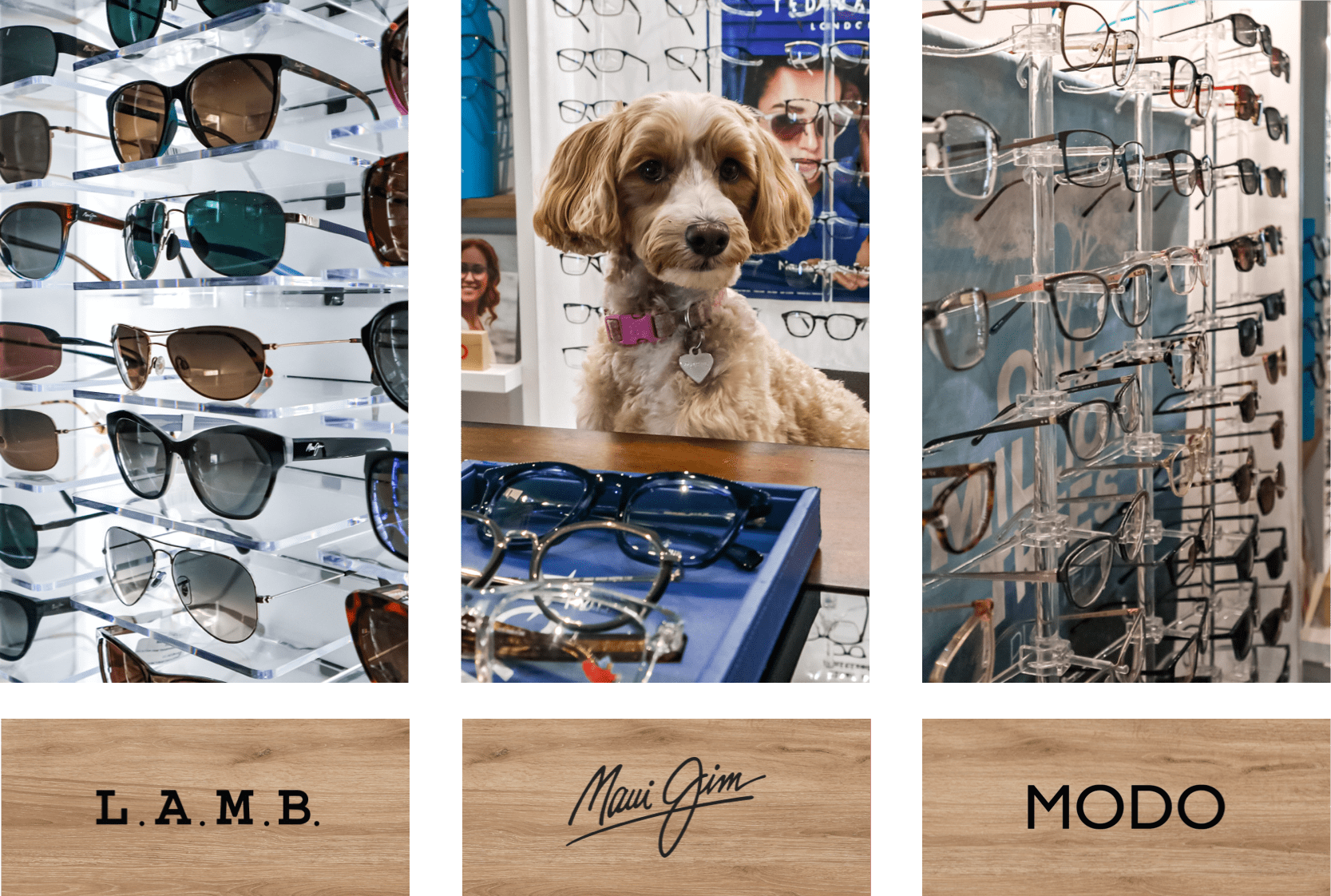
Prescription lenses work by shifting light to the correct spot on your retina. There are modern options that fit right into your lifestyle, from trendy to timeless and comfortable.
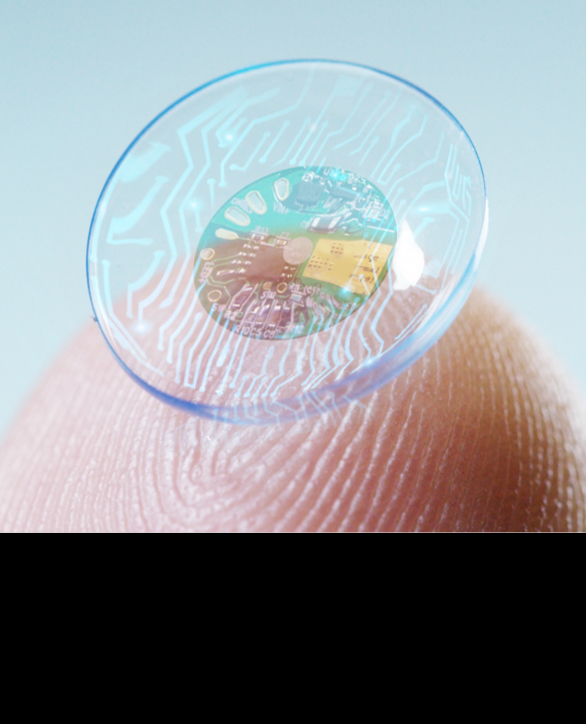
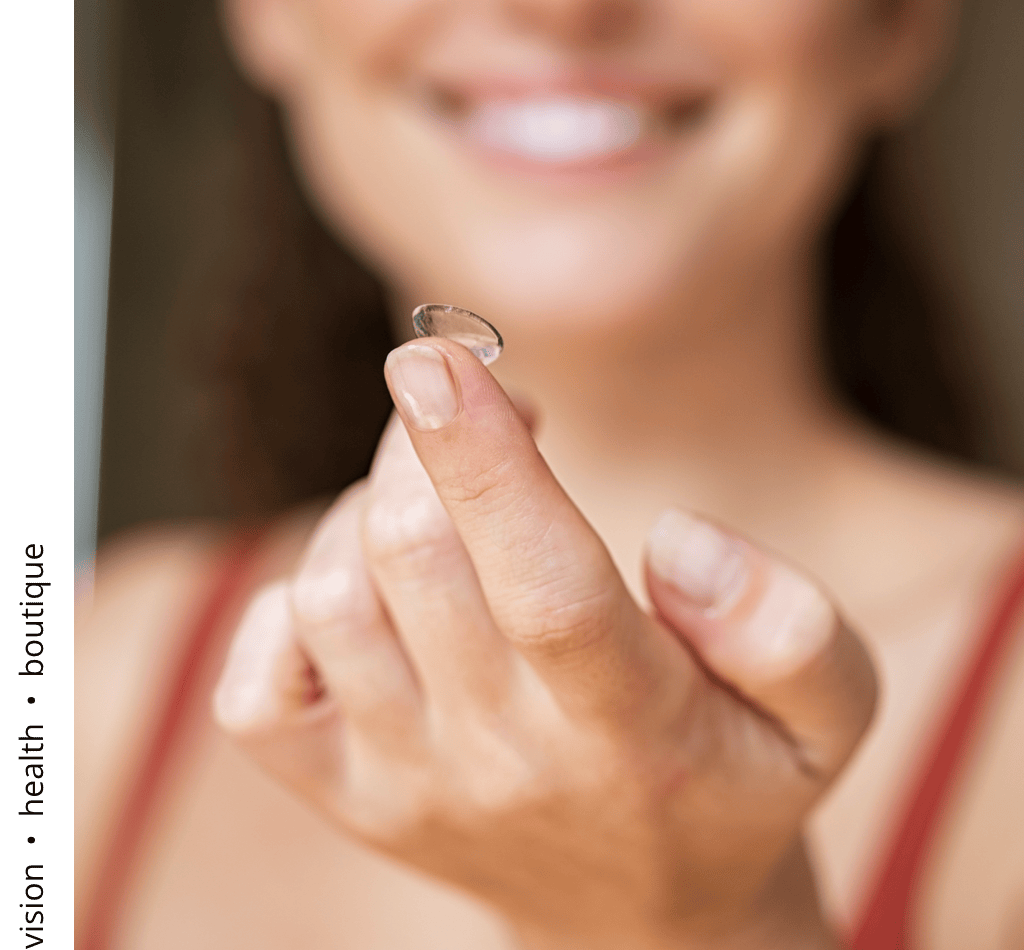
If you prefer contact lenses, our team can provide a contact lens fitting and exam to help you decide which brand and type of lenses might work for you. Contacts are a great option if you don’t like the look or feeling of frames, and they can keep up with an active lifestyle very well.
Laser Surgery Procedures
Modern laser eye surgery gently reshapes the clear outer layer of your eye, called the cornea. This adjustment helps light reach the proper part of the retina, and it often means you won’t have to rely on glasses as much.
Schedule Your Eye Exam
At Eye Wellness, we are committed to providing a holistic approach to your family eye care needs. Our clinic focuses on finding comfortable and sustainable solutions that fit smoothly into your daily routine. Schedule a visit today to give your eyes the care they deserve.