
You probably know that regular eye exams are important, but figuring out what’s covered can be confusing. At Eye Wellness, we get that you want to make informed choices for your entire family.
The Ontario Health Insurance Plan (OHIP) helps cover the cost of certain eye exams for children, seniors, and adults with certain medical conditions. This guide breaks down what that means for you and your family, so you can plan your next visit with clarity.
How OHIP Helps Your Family’s Vision
Children’s Eye Exams
Your child’s vision is key to their development and learning. To support their growth, OHIP covers one full eye exam every 12 months for anyone 19 years old or younger.
These exams are a good way to monitor for healthy eye development. They can help spot potential vision issues and support your child’s success in school and at play.
Senior Eye Exams
As you get older, your eye health needs can change. For adults 65 and over, OHIP covers one full eye exam every 12 months. This allows eye doctors to keep a close eye on seniors’ vision and check for age-related conditions.
OHIP also helps cover follow-up visits for certain eye conditions, like macular degeneration or glaucoma. This continued care helps manage eye health over the long term.
What Conditions Are Covered by OHIP for Eye Exams?
In Ontario, adults between 20 and 64 are generally not covered for routine eye exams through OHIP. However, if you have an eligible medical condition affecting your eyes, OHIP covers one major eye exam every 12 months, along with up to two additional follow-up minor assessments.
Eye Conditions That May Qualify for OHIP Coverage
Some of the eligible medical conditions include:
- Diabetes: People with diabetes are eligible for an insured eye exam every 12 months because diabetes can affect the eyes and lead to conditions such as diabetic retinopathy.
- Glaucoma: OHIP coverage applies to glaucoma requiring or having had treatment with medication, laser, or surgery.
- Cataracts: Cataracts or posterior capsular opacification may qualify when vision is significantly affected, specifically when visual acuity is 20/40 or worse in the best-corrected eye, or when a surgical referral is made.
- Retinal disease: Acute or chronically progressive retinal disease may qualify for coverage.
- Corneal disease: Acute or chronically progressive corneal disease may qualify.
- Uveitis: Acute or chronic uveitis during episodes of active inflammation may qualify.
- Optic pathway disease: Acute or chronically progressive disease affecting the optic pathway may qualify.
- Certain conditions affecting eye movement: An acquired cranial nerve palsy that causes strabismus may qualify during the acute phase or until the condition resolves or stabilizes.
Other Health Factors
If you are unsure whether your condition qualifies for OHIP coverage, speak with your optometrist. They can determine whether your eye exam meets the current eligibility requirements.Certain situations beyond a specific eye disease can also qualify you for an OHIP-covered exam. For example, you might have coverage if you take certain medications that can affect your eyes, such as Plaquenil. Sudden and serious changes to your vision may also be covered.
What Does OHIP Not Cover?
Routine Exams for Most Adults
If you are an adult between the ages of 20 and 64 and don’t have a qualifying medical condition, OHIP doesn’t cover the cost of your annual eye exam. Regular eye exams are vital for maintaining good eye health and preventing potential vision problems at any age. Even if you don’t fall within the age groups covered by OHIP for eye exams, it’s recommended that adults aged 20 to 64 have their eyes examined at least once every 2 years.
Tests & Specialty Care
Some diagnostic tools and treatments aren’t included in OHIP coverage. Services like retinal imaging, OCT scans, dry eye therapy, and contact lens fittings are typically paid for separately. These services can provide a more detailed picture of your eye health or fit you with personalized vision correction.
Alternatives to OHIP Coverage
For those not covered by OHIP, it may be worthwhile to explore alternative options for eye care coverage. This may include employer benefits, private insurance, or other government programs such as the Ontario Disability Support Program or Ontario Works.

The Importance of a Complete Eye Exam
A Deeper Look at Your Eye Health
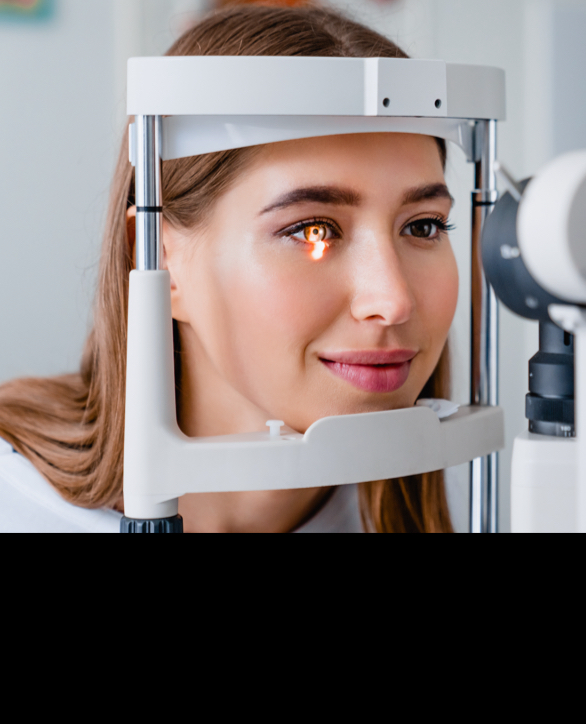
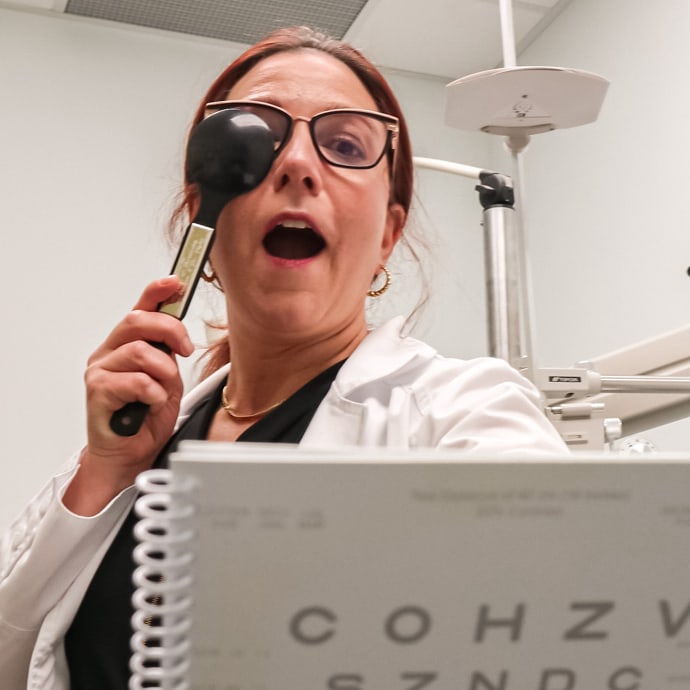
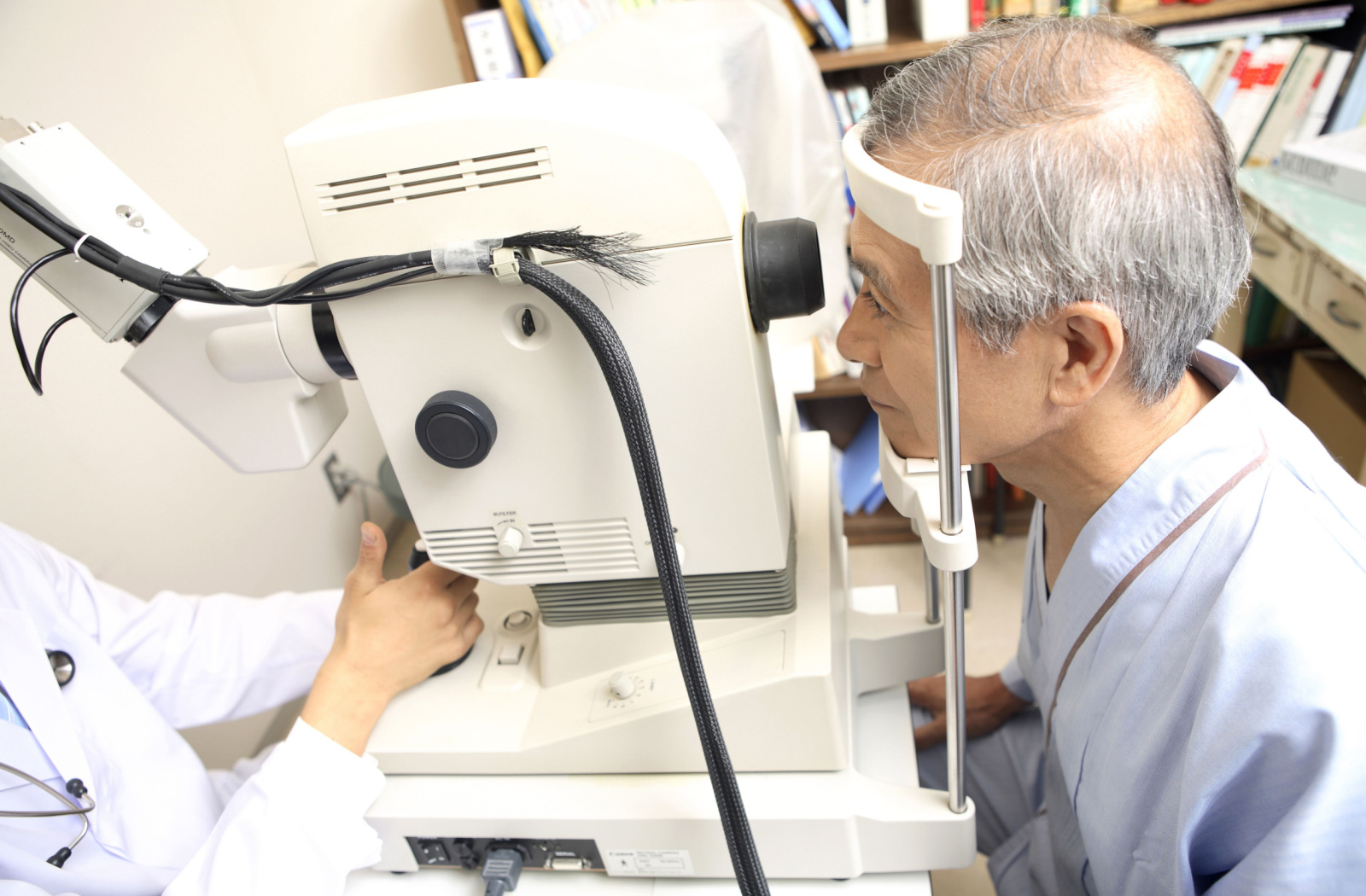
An eye exam is much more than a simple vision test. It’s an opportunity to get a clear picture of your overall wellness. Your eyes can show early signs of a variety of health conditions, and a thorough eye exam helps spot such issues before they become bigger problems.
When you visit an eye doctor in Niagara Falls, our team can check for conditions like glaucoma or macular degeneration—often before you notice any symptoms. This focus on preventative care helps you protect your sight for years to come.
More Than a Vision Check
Your appointment is also your time to ask questions and discuss any concerns you have about your eyes. You might be experiencing digital eye strain or have questions about how to protect your vision. This is a good time to get personalized advice tailored to your life and needs.
Options for Your Eye Care Payment
Alternative Ways to Pay
For services that OHIP doesn’t cover, you have other options. Many people have coverage through their workplace benefits or private health insurance plans. These plans often include a set amount for vision care that can be used for exams, glasses, and contact lenses.
It’s a good idea to check the details of your plan to see what it includes. Other government programs can also provide assistance.Our team at Eye Wellness can help you navigate your eye care journey. Schedule a visit to receive dedicated, compassionate care that puts your family’s vision and well-being first.