Regular eye exams are a key part of your overall health routine, just like a visit to the dentist or family doctor. However, the recommended frequency of eye exams changes throughout your life. Your recommended exam frequency depends on your age, your health, and whether you have a higher risk for certain eye diseases. A consistent schedule of check-ups is a simple way to care for your vision for years to come.
Why Regular Eye Exams Matter
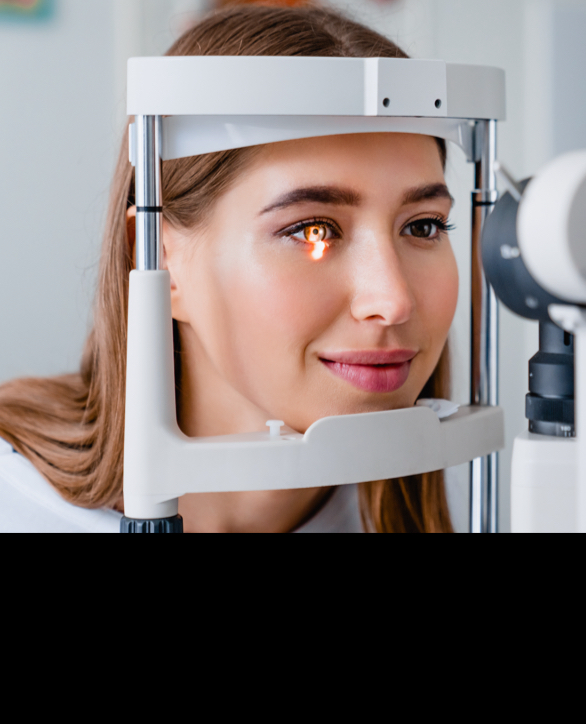
An eye exam does more than just check your prescription; it also offers a clear view of your eye health and can even spot other health issues before you notice symptoms.
Here’s what a comprehensive eye exam can offer:
Correction of Vision Problems
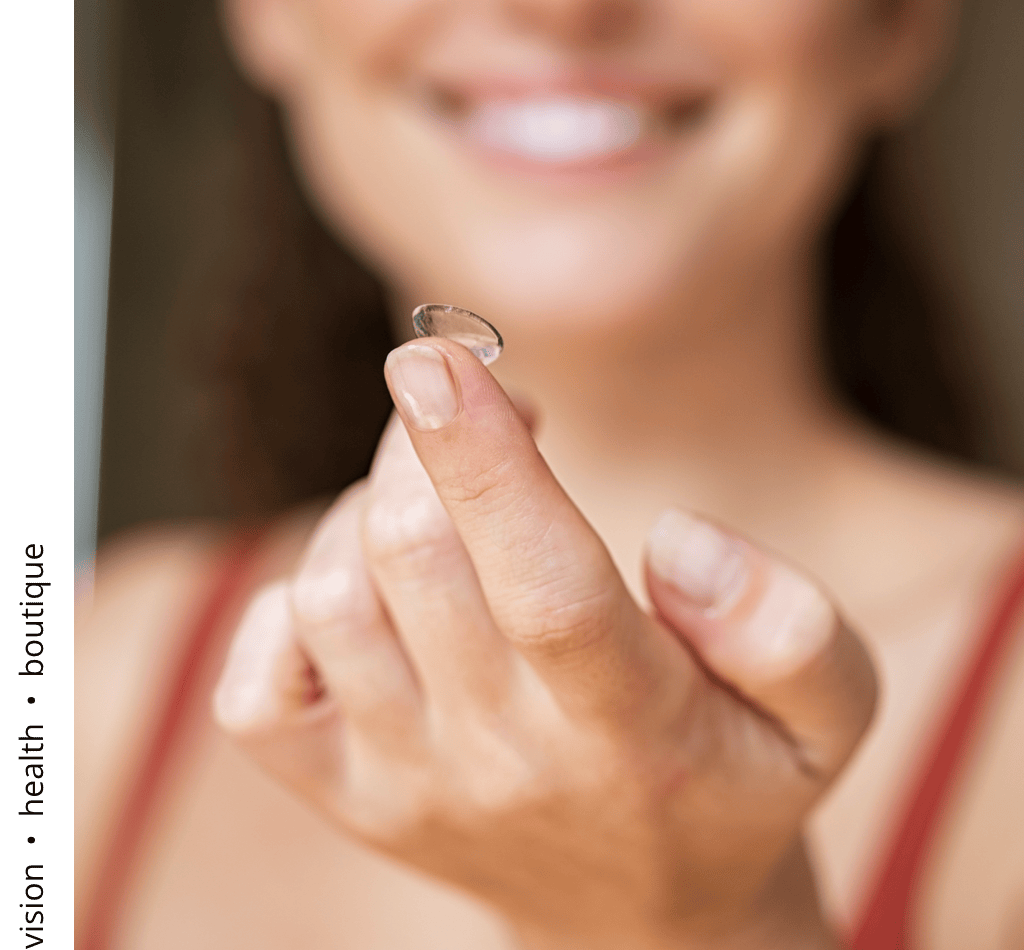
Your vision can change subtly over the years. A comprehensive exam determines if you could benefit from glasses or contacts or whether your current prescription might need an update.
Early Detection of Eye Disease
Many common eye conditions like glaucoma or cataracts often have no early symptoms. Regular exams can help find these issues in their beginning stages. Early detection can open up more options for managing the condition.
Detection of Other Health Conditions
Your eyes give us a direct view of your blood vessels and nerves, which allows an eye doctor to notice signs of other, general health conditions like diabetes, high blood pressure, or high cholesterol.
Recommended Eye Exam Frequency By Age
The Canadian Association of Optometrists provides guidelines for how often you should have your eyes checked. These recommendations are for people at low risk for eye disease. Your own schedule may look a little different based on your personal health profile.
Infants & Toddlers (Birth to 24 months)
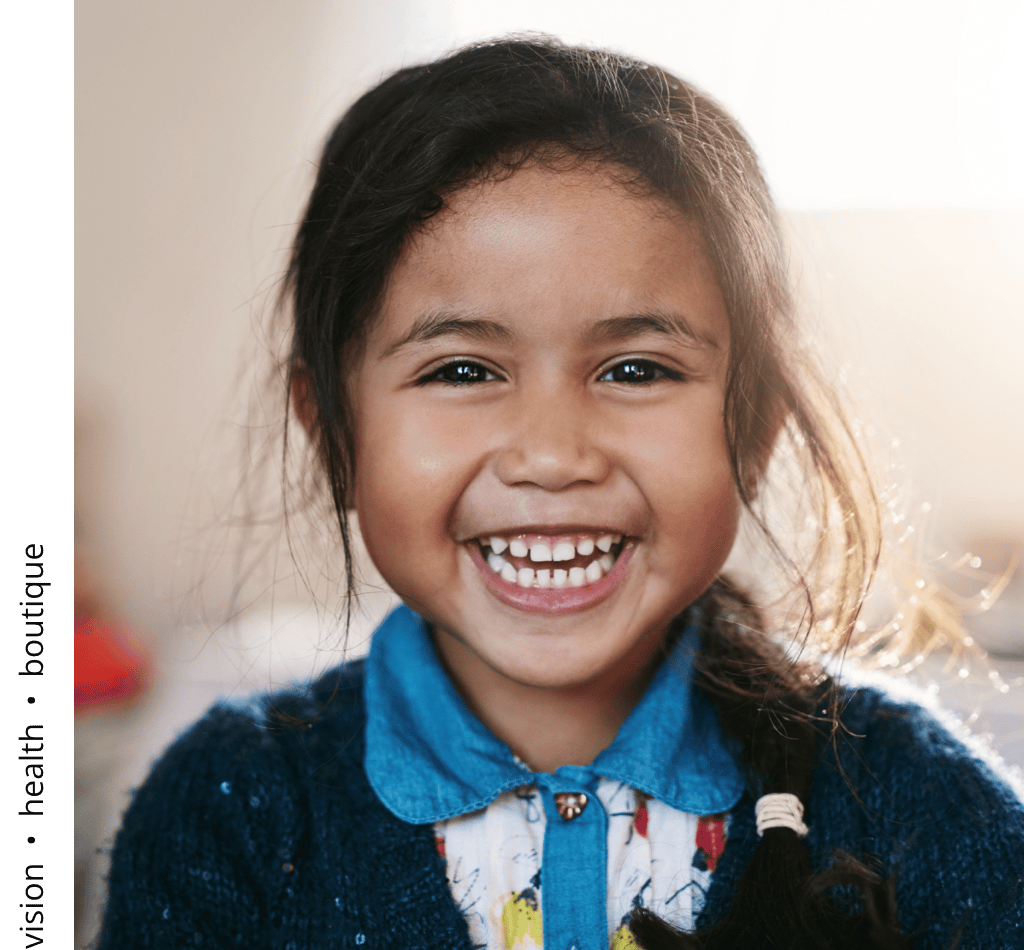
Your child should have their first eye exam between 6 and 9 months old. This initial check-up helps to confirm their eyes are developing as they should be.
Preschool Children (2 to 5 years)
A preschooler should have at least one eye exam between the ages of 2 and 5. This check helps identify any vision issues that could affect their learning and development before they start school.
School-Age Children & Teens (6 to 19 years)
Children and teens in this age range benefit from an eye exam every year, as their eyes are changing quickly as they grow. Regular visits help support children’s vision for success in school and other activities.
Adults (20 to 64 years)
During these years, an eye exam is recommended at least every two years. Adults with diabetes should have yearly exams.
Seniors (65 years & older)
After age 65, you should have an eye exam annually. Yearly check-ups are an important step in monitoring for cataracts, macular degeneration, and other conditions.
Factors That Call For More Frequent Eye Exams
You may need more frequent exams if you have certain health conditions or a family history of eye disease. Let your eye doctor know if you have any of the following:
- Diabetes
- High blood pressure
- A family history of glaucoma or age-related macular degeneration
- Taken medications with potential side effects on your eyes
Signs You Should See an Eye Doctor Sooner
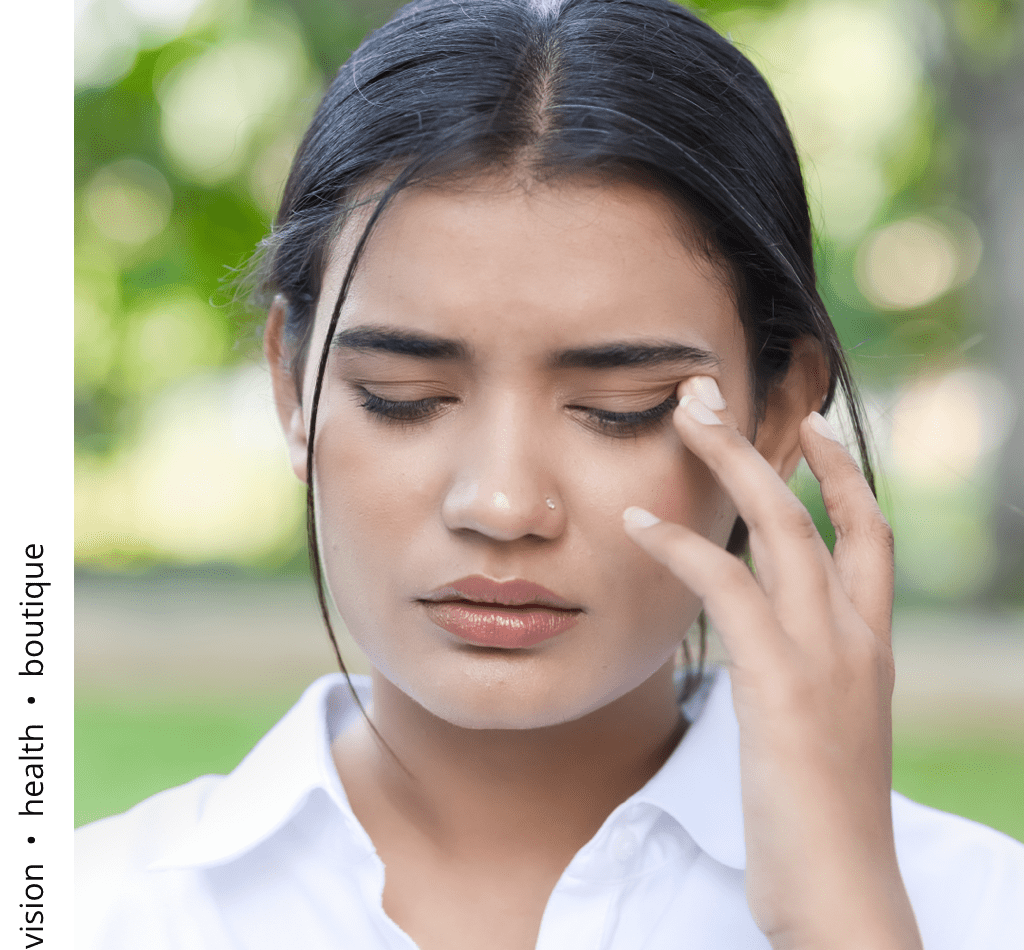
Don’t feel you have to wait for your next scheduled exam if you notice changes in your vision. It’s always a good idea to book an appointment if you experience any new or sudden symptoms, as some eye issues require prompt emergency eye care.
Symptoms that should make you consider a visit include:
- Eye pain
- Persistent redness or dryness
- Flashes of light (may indicate an eye emergency)
- Seeing “floaters” or spots in your vision (a sudden increase in these may also be an eye emergency)
- Trouble with night driving
- Difficulty reading things up close
How To Care For Your Vision Between Visits
Healthy habits can help protect your eyes every day. Simple choices can support your vision and contribute to your long-term eye health.
Protect Your Eyes From The Sun
Wear sunglasses that block UV rays whenever you’re outdoors. This simple step helps shield your eyes from sun damage, even on cloudy days.
Follow The 20-20-20 Rule For Screens
When using a computer or phone, take a 20-second break every 20 minutes to look at something 20 feet away. This technique, known as the 20-20-20 rule, can help reduce digital eye strain and keep your eyes more comfortable.
Eat A Balanced Diet
Foods rich in vitamins and antioxidants support good eye health. Adding things like leafy greens, colourful fruits, and fish to your diet can provide nutrients for your eyes.
Stay on Top of Your Eye Health
A consistent schedule of exams helps protect your sight and keep your vision sharp. If it’s time for a check-up, our team at Eye Wellness is here to help you care for your family’s vision. Contact your eye doctor in Niagara Falls today to book an appointment.